



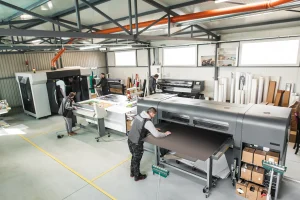
 Optimize your sales with simplified customer tracking.
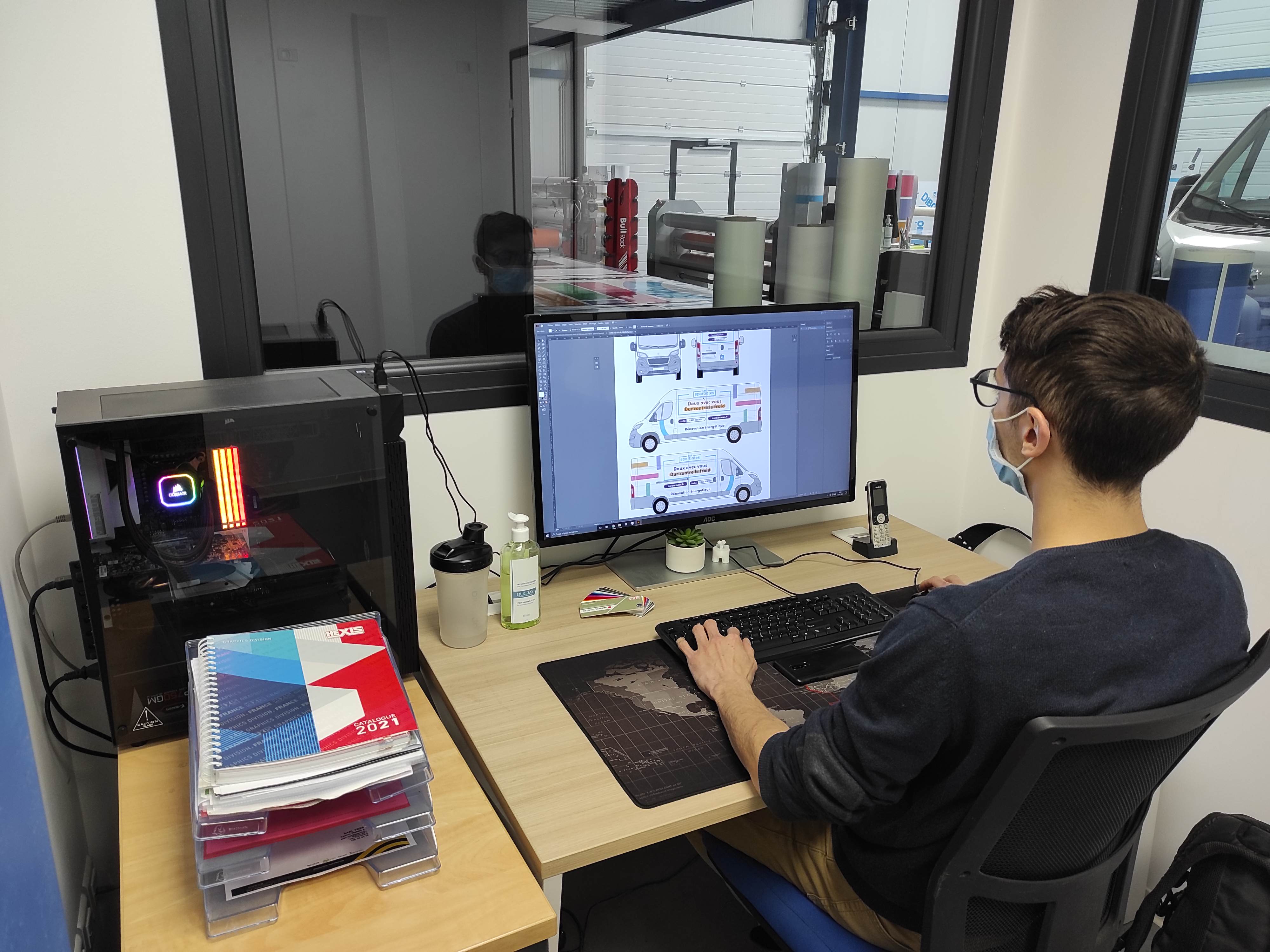 Centralize creation and validation to save time.
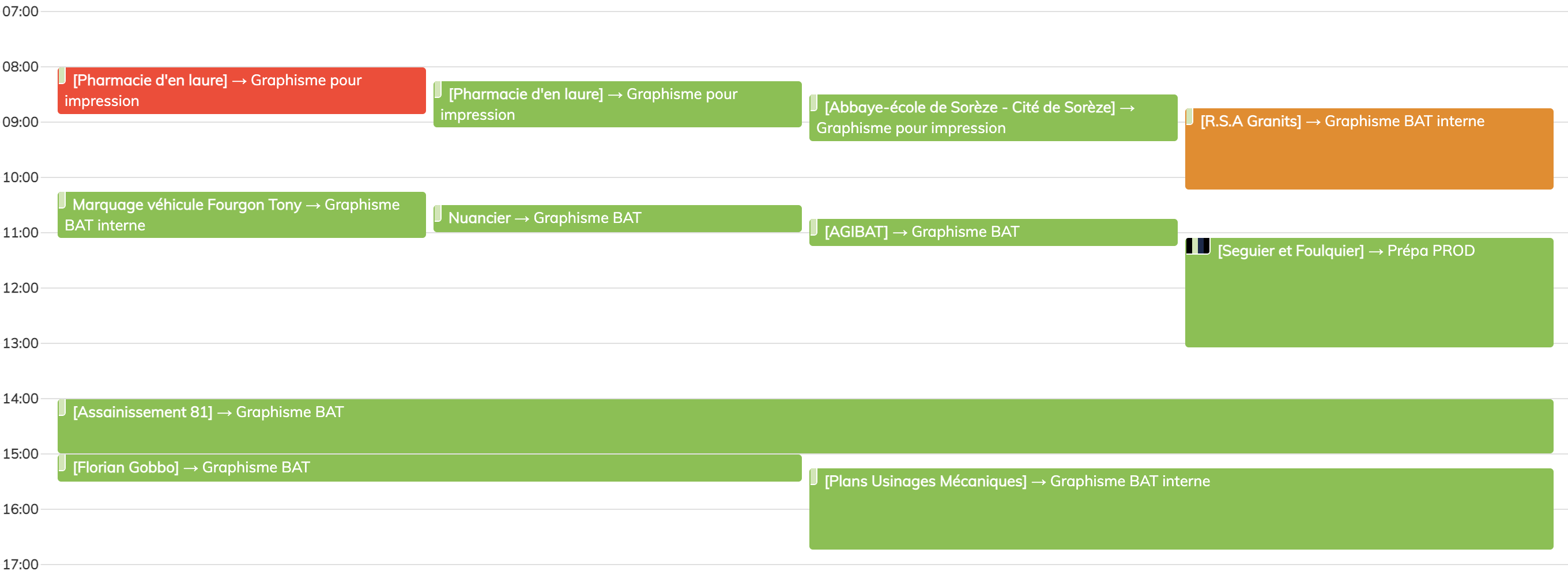 Plan teams and resources effortlessly.
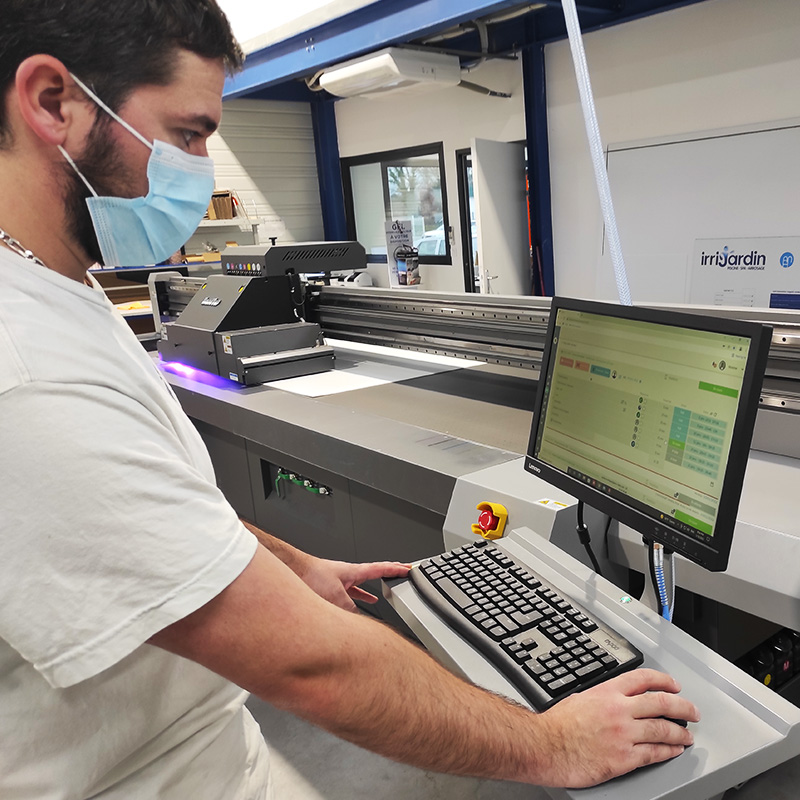 Quickly access files and production instructions.
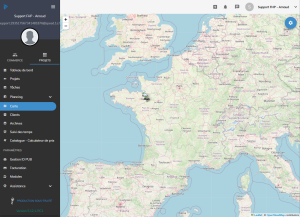 Find construction sites, plans and assignments instantly.
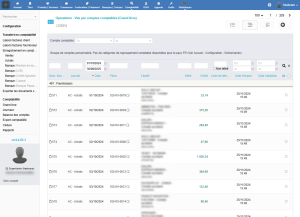 Automate your quotes and invoices without errors.

To limit data entry on the shop floor, start by examining the task breakdown. Highly detailed production tracking can require operators to record their activity too frequently. In Freshprocess, this organization can be adapted, particularly by grouping similar tasks.
This choice is not set in stone. The configuration can evolve with the life of your business : new machines, changes in resources, or changes in your organization. If you find that you have planned too many tasks, or not enough, you can adjust this allocation at any time, without having to redo the entire configuration between sales and production.
The challenge, therefore, is not to choose between monitoring production and letting the team do its work. It is to determine what information you truly need to distinguish, and then adapt the monitoring as your needs change.
The detailed tracking has a downside for the operators
In sign manufacturing, you want to know where the work stands. Breaking down production into tasks then seems natural: each step becomes an element to follow.
But this breakdown also has a practical consequence. The more details you ask for, the more likely you are to solicit information from operators about their activity. Conversely, a breakdown that is too broad may prevent you from distinguishing certain information useful for monitoring.
The appropriate level of detail therefore depends on how you operate. Before adding a task, ask yourself a simple question: do you need this information separately, or can it be tracked with a similar task?
The goal is not to have as few tasks as possible. It is to retain useful distinctions without multiplying entries that provide little additional information.
Start with your needs before multiplying the tasks
To review your organization, examine together the expected follow-up and the inputs it imposes on the workshop.
- Please specify what you want to know. What information are you missing to track the manufacturing process? What steps do you really need to distinguish?
- Identify repeated entries. At what times should operators enter similar tasks separately?
- Examine the possible groupings. What tasks could be combined without losing a distinction you need?
- Keep the necessary dividers. Do not combine two tasks solely to simplify tracking if you genuinely need to distinguish between them.
- Reassess the breakdown when the organization changes. A new machine or a change in resources may justify reviewing the tasks being tracked.
This approach helps you choose a level of detail suitable for your workshop. It does not assume that a single cutting method will suit all businesses, nor that your initial choice is final.
A configuration that evolves with your business
The division of labor implemented at a given time reflects the company's organization at that time. It is not intended to remain unchanged if manufacturing conditions change.
The arrival of a new machine, changes in resources, or a new distribution of work can alter your monitoring needs. Some tasks then become useful to distinguish; others can be grouped together.
You may also find, in practice, that the initial configuration is too detailed and requires too much input from operators. Conversely, it may be too general to provide the information you expect.
Planning too many or too few tasks is therefore not an irreversible choice. In Freshprocess, you can adjust this organization at any time, without changing the entire configuration between sales and production. The breakdown can thus be re-examined according to your needs, rather than being retained simply because it was initially defined.
How to adapt tasks in Freshprocess
Freshprocess allows for adapting task organization. Grouping similar tasks is one way to avoid excessively frequent data entry by operators.
In practical terms, if your organization requires several similar tasks to be completed separately, you can consider grouping them together. The decision should be based on your tracking needs: which distinction do you want to keep, and which provides little additional information?
Conversely, if the breakdown doesn't include enough tasks to distinguish the necessary information, it can also be corrected. Adaptation, therefore, doesn't always consist of reducing the number of tasks, but rather adjusting their organization.
This flexibility allows the relevant division to be reviewed without overhauling the entire configuration linking commerce and production.
Adapting the segmentation does not mean automating the tracking
Changing the task organization does not necessarily delete entries. Nor does it mean that Freshprocess automatically detects each completed step.
The principle is more precise: the configuration can be adjusted to avoid overloading operators too frequently, while still maintaining the distinctions necessary for monitoring. The level of detail and frequency of data entry still need to be defined according to your specific procedures.
To remember
- The level of detail in the monitoring influences the inputs requested at the workshop.
- Freshprocess allows you to adapt the organization of tasks, in particular by grouping similar tasks.
- The configuration can evolve with your company's machines, resources, and organization.
- Too many or too few tasks: you can adjust the breakdown at any time, without having to redo the entire configuration between sales and production.
- The information relevant to your monitoring should guide these adjustments.
Do you want to review the breakdown of your manufacturing tasks? Let's talk about the organization best suited to your workshop in Freshprocess.