



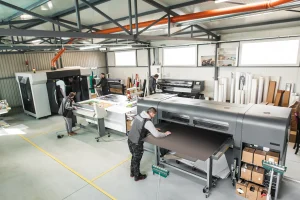
 Optimize your sales with simplified customer tracking.
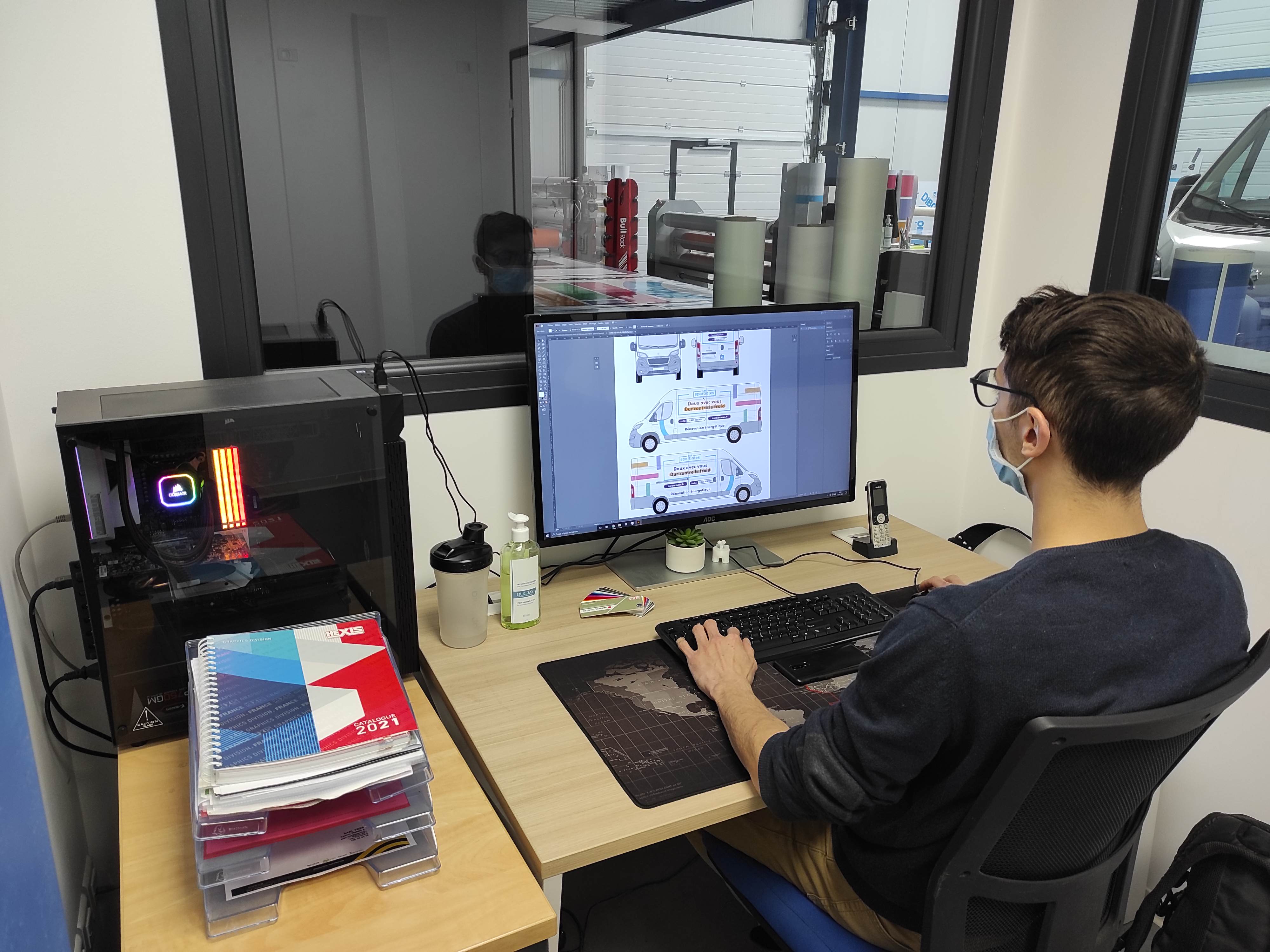 Centralize creation and validation to save time.
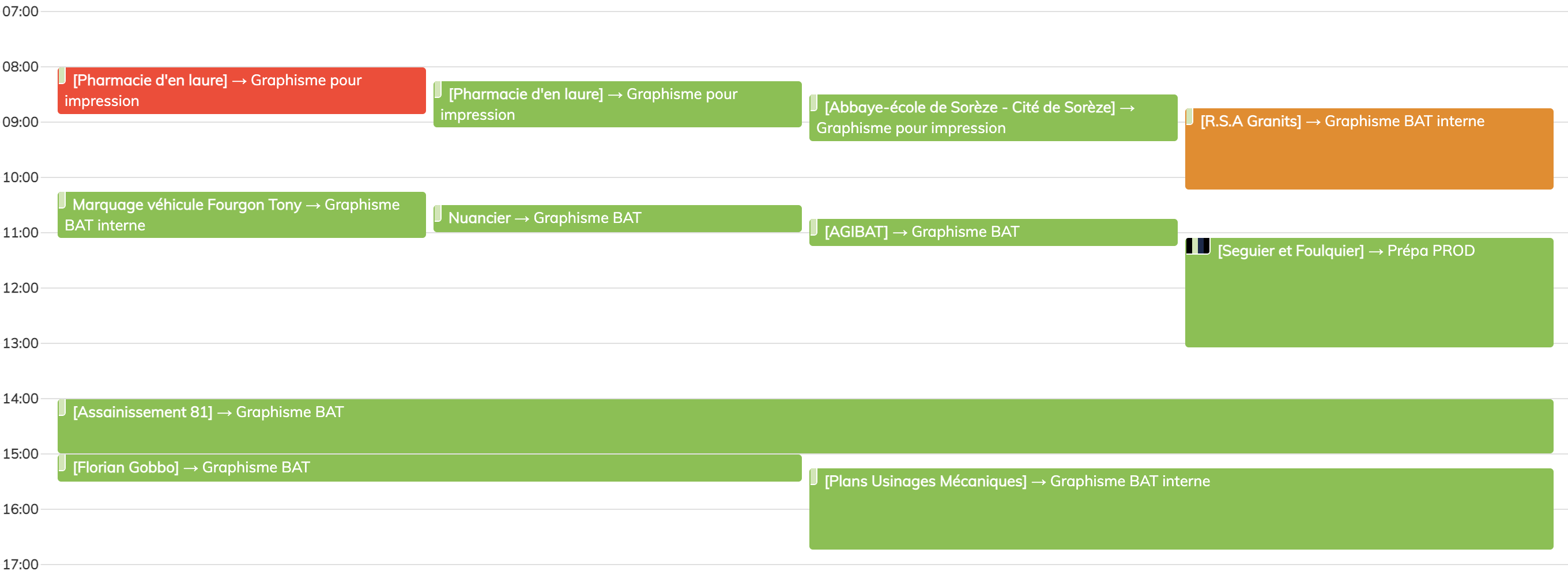 Plan teams and resources effortlessly.
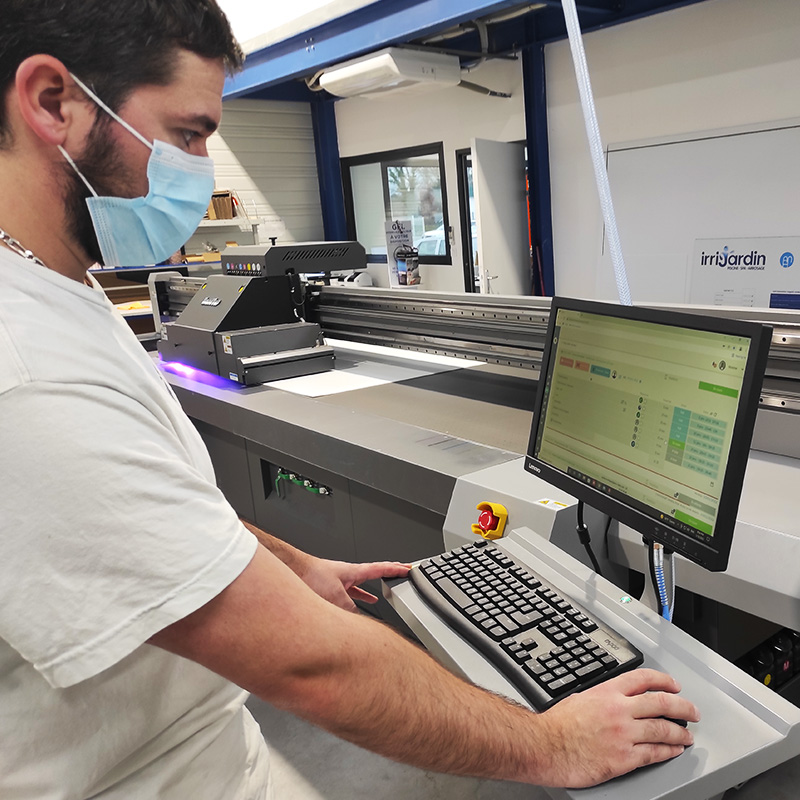 Quickly access files and production instructions.
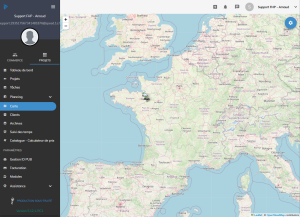 Find construction sites, plans and assignments instantly.
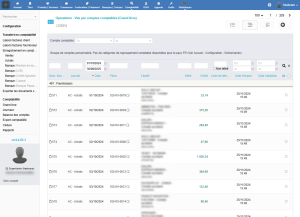 Automate your quotes and invoices without errors.

To automate your graphic arts business, start by identifying the repetitive tasks that weigh down your internal processes. The goal isn't to automate everything, but to distinguish necessary interventions from avoidable repetitions, and then determine what your organization and management tools can streamline.
In a signage, wayfinding, or vehicle branding company, tracking files remains essential. However, regularly searching for the same information or repeating certain tasks can take up valuable time away from productive work. Before choosing a solution, start with a specific example from your daily operations.
Identify the repetitive patterns that hinder your internal processes
A recurring task is not necessarily useless. Checking information, clarifying a request, or deciding on the next step can be necessary to move a case forward.
The difficulty arises when the follow-up itself becomes a burden: time must be spent finding useful elements, repeating manipulations or reconstructing what has already been done.
To examine how you operate, ask yourself a few questions:
- What information should you look for regularly?
- What tasks do you repeat within the same case?
- At what point do these rehearsals take place?
- What actions take time without helping to decide what to do next?
These questions do not constitute a diagnosis of your business. They serve to identify points to examine, based on actual usage rather than a list of features.
Clarify the process before attempting to automate it.
Before asking yourself how to automate a task, specify what it should produce. Is it to obtain information, prepare a proposal, make a decision, or advance a project?
This clarification allows us to distinguish several situations:
- The task is necessary and requires human intervention. An exchange with a client or a decision is not a waste of time.
- The task is useful, but its completion involves repetition. It is these repetitions that need to be examined.
- The usefulness of the task is unclear. It is necessary to first understand its place in the process before considering automation.
Automation is therefore not the starting point. First, the expected result must be defined, then it must be verified whether the proposed process meets the need without adding unnecessary steps.
Start with a single time-consuming task
Reviewing all your internal processes at once can make the process abstract. A concrete initial framework facilitates analysis and discussion.
- Choose a recurring task. Remember the one that regularly commands your attention in a case.
- Describe how it unfolded. What information do you use and what actions do you take?
- Specify its purpose. What information or decision should it produce?
- Identify the repetitions. What aspects of your work process could be simplified?
- Test the planned route. Check that it meets the need and identify what still needs to be done manually.
The goal is not to eliminate all human intervention. It is to preserve time for activities that truly move client files and projects forward.
Examine the information used throughout the case
Repetitive tasks can also be addressed by observing the information needed at the different stages of a project.
For a signage project, for example, first describe the information you need to respond to the client. Then list the information necessary for project management, and finally compare the two sets.
Identifying commonalities will help you define what your organization needs to make easy to find and use. This approach prepares you for a discussion on the continuity between commerce and production, without immediately seeking to overhaul the entire organization.
How to approach automation with Freshprocess?
Freshprocess is a business ERP designed for graphic arts professionals. Its scope includes CRM, opportunities, quotes, and projects. These areas can be examined together to identify recurring patterns in your workflow.
The support allows you to approach the choice of tool from the perspective of your organization, rather than considering the software alone.
To prepare for a demonstration, please bring:
- a portfolio representative of your activity;
- a task that you consider too burdensome;
- the information needed to carry it out;
- the result you are trying to achieve.
This will allow you to examine the relevant functions and distinguish what pertains to your work method from the product's capabilities. Automation must be verified on your specific case, not assumed.
Request a Freshprocess demo to examine your repetitive tasks from your daily business experience.
To remember
- Identify the repetitive processes that slow down your internal processes before attempting to automate them.
- Clarify the purpose of each task and the expected result.
- Start with a specific case rather than a complete overhaul of the entire company.
- Preserve the human interventions necessary for exchanges and decisions.
- Explore the possibilities of Freshprocess with support, without presuming what can be automated.